
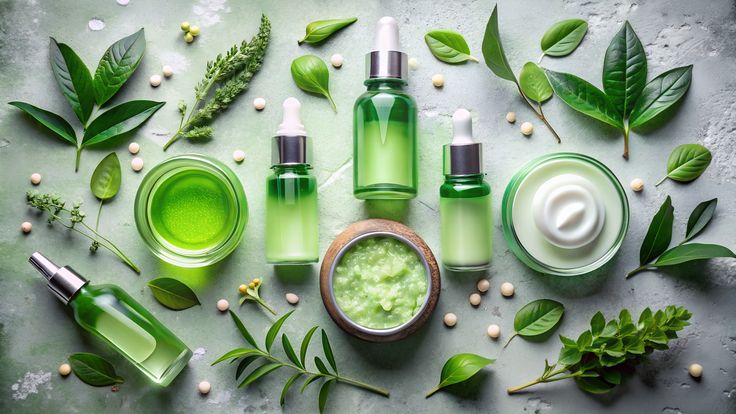
The natural skincare myth has taken over the beauty industry. Everywhere you look, products are labeled as “natural,” “organic,” or “chemical-free.”
It sounds safer, healthier, and better for your skin.
But is natural skincare really superior?
The truth is, the natural skincare myth is one of the most misunderstood ideas in skincare. Not everything natural is good—and not everything chemical is harmful.
Let’s break it down.
🧠 What Does “Natural Skincare” Really Mean?
“Natural skincare” usually refers to products made from plant-based or naturally derived ingredients.
Common examples include:
- Aloe vera
- Coconut oil
- Essential oils
- Herbal extracts
However, there is no strict regulation defining what “natural” actually means.
This is where the natural skincare myth begins to create confusion.
❌ The Biggest Natural Skincare Myth
The most common belief is:
👉 “Natural products are always safer and better for your skin.”
This is not always true.
Many natural ingredients can:
- Cause irritation
- Trigger allergies
- Be unstable or ineffective
At the same time, scientifically developed ingredients are tested for safety and effectiveness.
🔬 What Science Says
Dermatology research shows that both natural and synthetic ingredients can be beneficial—or harmful—depending on formulation.
According to skincare research, ingredient safety depends on composition, not whether it is natural or synthetic.
This clearly challenges the natural skincare myth.
📊 Natural vs Synthetic Skincare
| Factor | Natural Products | Synthetic Products |
|---|---|---|
| Source | Plant-based | Lab-created |
| Stability | Low | High |
| Shelf life | Short | Longer |
| Safety testing | Limited | Extensive |
| Effectiveness | Varies | Consistent |
⚠️ Why Natural Isn’t Always Better
Believing the natural skincare myth can lead to:
- Using irritating ingredients like lemon or essential oils
- DIY treatments are damaging the skin barrier
- Ignoring scientifically proven products
For example, applying lemon directly to the skin can cause burns or sensitivity.
💡 How To Choose The Right Skincare
Follow these simple steps:
- Read ingredient lists
- Patch test new products
- Avoid harsh DIY remedies
- Choose dermatologist-approved products
This approach is far more effective than blindly following the natural skincare myth.
📊 Safe vs Risky Natural Ingredients
| Safe Options | Risky Usage |
|---|---|
| Aloe vera | Lemon juice |
| Honey | Undiluted essential oils |
| Oat extracts | Baking soda |
🧠 Why This Myth Became Popular
The natural skincare myth became popular because:
- DIY trends on social media
- “Natural” sounds safe and clean
- Marketing strategies promote it
- Fear of chemicals is widespread
🧴 How Marketing Creates The Natural Skincare Myth
The natural skincare myth is not just a misunderstanding—it is heavily influenced by marketing strategies.
Many brands use terms like:
- “Chemical-free”
- “100% natural.”
- “Organic skincare”
These labels sound appealing, but they are often not scientifically accurate.
In reality, everything is made of chemicals—including water. The term “chemical-free” is misleading and designed to create fear around scientifically developed ingredients.
This is why the natural skincare myth continues to grow, as consumers are influenced more by branding than by actual ingredient knowledge.
🧠 Common Mistakes To Avoid
- Assuming natural = safe
- Using DIY remedies without research
- Overusing essential oils
- Ignoring skin type
🧾 Conclusion
The natural skincare myth creates unnecessary fear around skincare.
✔ Natural is not always better
✔ Chemicals are not always harmful
✔ Balance and knowledge matter
Choose products based on science, not marketing.
🤔 FAQs
1. Are natural skincare products always safe?
No, some natural ingredients can irritate the skin.
2. Are chemicals harmful to the skin?
Not all—many are tested and safe.
3. Can DIY skincare damage skin?
Yes, especially if ingredients are harsh.
4. What is better: natural or chemical skincare?
The right formulation matters more than the label
5. How do I choose safe products?
Look for tested ingredients and suitability for your skin type.
You’d Also Like to Read:
• Ice On Face For Glowing Skin: Shocking Truth You Should Know (2026)
• Does Toothpaste Remove Pimples? The Acne Myth Explained (2026 Guide)
• 7 Sunscreen Myths That Are Damaging Your Skin (Dermatologists Want You to Stop Believing)