
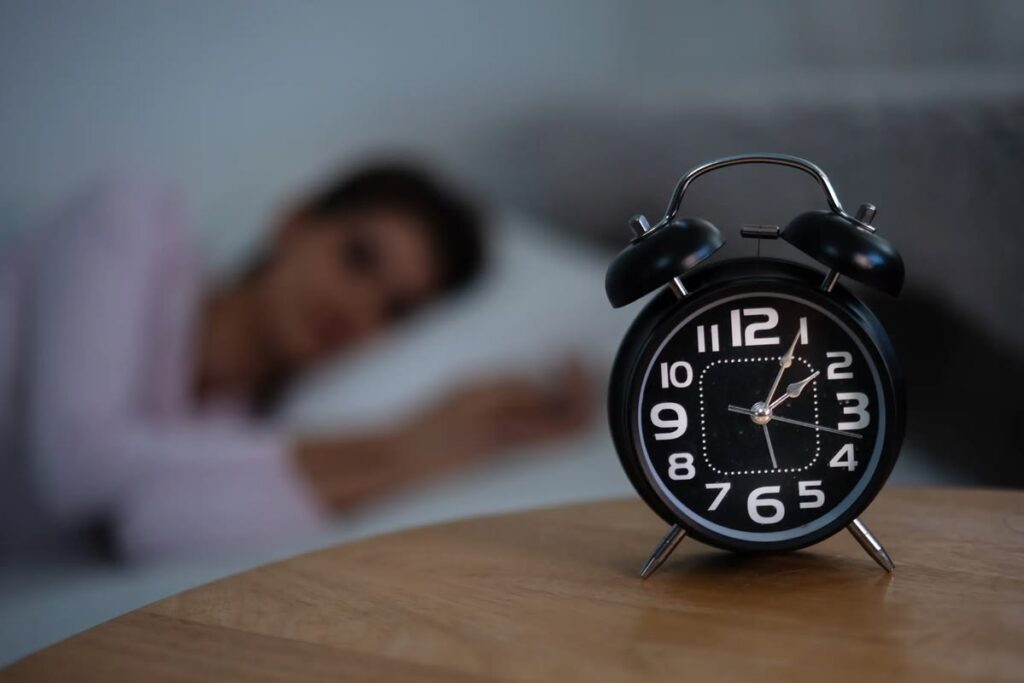
The idea that everyone needs exactly 8 hours of sleep has been repeated for years.
From health advice to productivity tips, “get 8 hours of sleep” is considered a universal rule.
But is it really true?
The 8 hours sleep myth is one of the most common lifestyle beliefs—but it may not apply to everyone.
Let’s explore what science actually says.
Where Did The 8-Hour Rule Come From?
The 8-hour sleep rule became popular as a general guideline for healthy living.
It was easy to remember and apply, which is why it spread widely.
However, it was never meant to be a strict rule.
This misunderstanding is what led to the 8-hour sleep myth.
❌ The Biggest Misconception
The most common belief is:
👉 “Everyone must get exactly 8 hours of sleep to be healthy.”
This is not true.
Sleep needs vary depending on:
- Age
- Lifestyle
- Genetics
- Activity level
Some people feel fully rested with 6–7 hours, while others may need more.
🔬 What Science Says About Sleep
Research shows that sleep requirements vary by individual.
Sleep experts suggest that adults typically need between 7 and 9 hours of sleep.
This clearly shows that the sleep myth oversimplifies sleep needs.
📊 Recommended Sleep Duration
| Age Group | Recommended Sleep |
|---|---|
| Teenagers | 8–10 hours |
| Adults | 7–9 hours |
| Older adults | 6–8 hours |
⚠️ Why Following This Myth Can Be Harmful
Believing the 8-hour sleep myth can lead to:
- Stress about sleep duration
- Poor sleep quality
- Anxiety when you don’t reach 8 hours
Focusing only on hours can lead you to overlook the quality of your sleep.
🧠 Sleep Quality vs Sleep Quantity
Sleep is not just about duration—it’s about quality.
✔️ Good sleep includes:
- Deep sleep cycles
- Fewer interruptions
- Feeling refreshed after waking
Someone who sleeps 6.5 hours of quality sleep may feel better than someone who sleeps 8 hours of poor-quality sleep.
📊 Sleep Quality Comparison
| Factor | Poor Sleep | Good Sleep |
|---|---|---|
| Duration | 8 hours | 6.5–7 hours |
| Interruptions | Frequent | Minimal |
| Energy levels | Low | High |
💡 How To Improve Sleep Naturally
Instead of chasing the 8-hour sleep myth, focus on improving sleep habits.
✔️ Tips:
- Create a relaxing environment
- Maintain a consistent sleep schedule
- Avoid screens before bed
- Reduce caffeine intake
🧠 Why This Myth Became Popular
The 8 hours sleep myth became popular because:
- It’s simple and easy to remember
- General advice spreads quickly
- People prefer fixed rules
But human biology is more complex.
🧠 Common Mistakes To Avoid
- Forcing yourself to sleep 8 hours
- Ignoring sleep quality
- Using screens before bed
- Irregular sleep schedule
🧾 Conclusion
The 8-hour sleep myth simplifies something highly individual.
✔ Sleep needs vary
✔ Quality matters more than fixed numbers
✔ Listen to your body
Instead of chasing a number, focus on healthy sleep habits.
🤔 FAQs
1. Do I need exactly 8 hours of sleep?
No, sleep needs vary between individuals.
2. Is 6 hours of sleep enough?
It depends on sleep quality and individual needs.
3. What matters more: quality or quantity?
Both matter, but quality is equally important.
4. Can oversleeping be harmful?
Yes, too much sleep can affect health and energy levels.
5. How do I know if I’m getting enough sleep?
If you feel rested and energetic, your sleep is sufficient.
You’d Also Like to Read:
• Motivation vs Discipline: The Shocking Truth About Productivity (2026)
• How to Stop Overthinking: 7 Science-Backed Truths
• 7 Hidden Causes of Procrastination That Ruin Productivity