
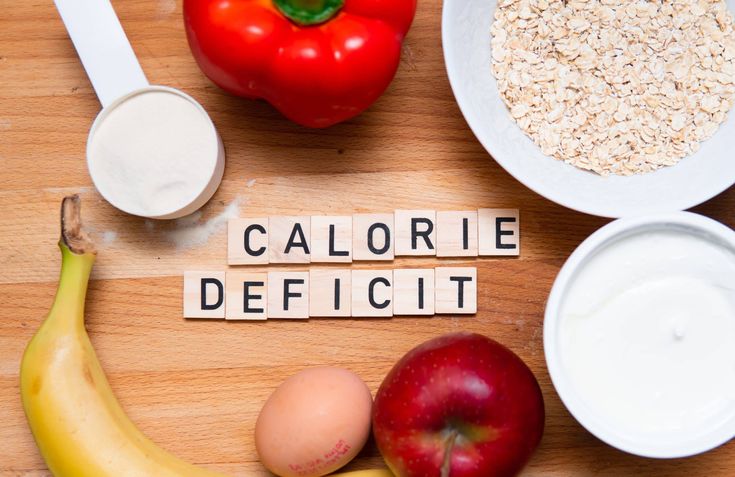
Calorie deficit not working is one of the most frustrating problems people face during weight loss.
You’re eating less, tracking calories, maybe even working out—but the scale refuses to move.
So what’s going wrong?
If you’ve ever thought, “Why am I not losing weight even after doing everything right?”—you’re not alone.
The truth is, weight loss is not just about eating less. There are several hidden factors that can slow down or completely stop your progress.
Let’s break down the real reasons.
🧠 What Does “Calorie Deficit” Actually Mean?
A calorie deficit simply means consuming fewer calories than your body burns.
According to research from Healthline, a calorie deficit is the foundation of weight loss, but other factors also play a role.
In theory:
- Eat less → burn stored fat → lose weight
But in reality, things are more complex.
This is why many people experience the calorie deficit not working issue.
⚠️ 1. You’re Underestimating Your Calories
One of the biggest reasons people struggle is inaccurate tracking.
You might be:
- Not counting cooking oils
- Guessing portion sizes
- Forgetting snacks
Even small mistakes can cancel out your deficit.
👉 This is a major cause behind eating less but not losing weight.
⚠️ 2. Your Metabolism Has Slowed Down
When you eat less for a long time, your body adapts.
This is called metabolic adaptation.
Your body:
- Burns fewer calories
- Conserves energy
- Slows down fat loss
This is why the calorie deficit not working problem becomes common over time.
Studies published by the National Institutes of Health show that metabolic adaptation can slow down weight loss over time.
📊 Metabolism Adaptation Example
| Phase | Calories Burned |
|---|---|
| Before diet | 2000 kcal |
| After adaptation | 1600 kcal |
⚠️ 3. You’re Losing Muscle Instead of Fat
Extreme calorie restriction can lead to muscle loss.
This slows metabolism and affects body composition.
👉 This is why understanding fat loss vs weight loss is important.
⚠️ 4. Poor Sleep Is Blocking Fat Loss
Sleep plays a major role in weight loss.
Lack of sleep:
- Increases hunger hormones
- Reduces fat burning
- Increases cravings
Even with a calorie deficit, poor sleep can stop results.
⚠️ 5. Stress Is Increasing Fat Storage
Chronic stress increases cortisol levels.
This leads to:
- Fat storage (especially belly fat)
- Increased cravings
- Slower metabolism
This is another hidden reason why calorie deficit not working happens.
⚠️ 6. You’ve Hit A Weight Loss Plateau
At some point, your body adapts to your routine.
This is called a weight loss plateau.
Your body becomes efficient and stops losing weight.
📊 Weight Loss Plateau Signs
| Sign | Meaning |
|---|---|
| Weight stuck for weeks | Plateau |
| No inch loss | Adaptation |
| Low energy | Possible under-eating |
⚠️ 7. Food Quality Matters More Than You Think
Not all calories are equal.
1000 calories of junk food ≠ 1000 calories of nutritious food.
Poor food choices can:
- Reduce fat loss
- Affect hormones
- Increase hunger
💡 How To Fix “Calorie Deficit Not Working”
Instead of blindly cutting calories, follow this:
✔️ Smart approach:
- Manage stress
- Track food accurately
- Eat high-protein meals
- Strength train
- Improve sleep
📊 Ideal Fat Loss Strategy
| Factor | Importance |
|---|---|
| Calorie deficit | High |
| Protein intake | High |
| Exercise | High |
| Sleep | Medium |
| Stress | Medium |
🧠 Common Mistakes To Avoid
- Expecting quick results
- Cutting calories too aggressively
- Ignoring protein intake
- Not tracking food properly
🧾 Conclusion
If your calorie deficit not working, it doesn’t mean weight loss is impossible.
✔ Your body may have adapted
✔ Hidden factors may be blocking progress
✔ Small changes can restart fat loss
Focus on consistency, not shortcuts.
🤔 FAQs
1. Why am I not losing weight in a calorie deficit?
Possible reasons include inaccurate tracking, metabolism slowdown, or stress.
2. Can calorie deficit stop working?
Yes, due to metabolic adaptation and lifestyle factors.
3. How do I restart weight loss?
Adjust calories, increase activity, and improve sleep.
4. Does sleep affect weight loss?
Yes, poor sleep reduces fat loss efficiency.
5. Is calorie deficit enough?
No, lifestyle factors also matter.