
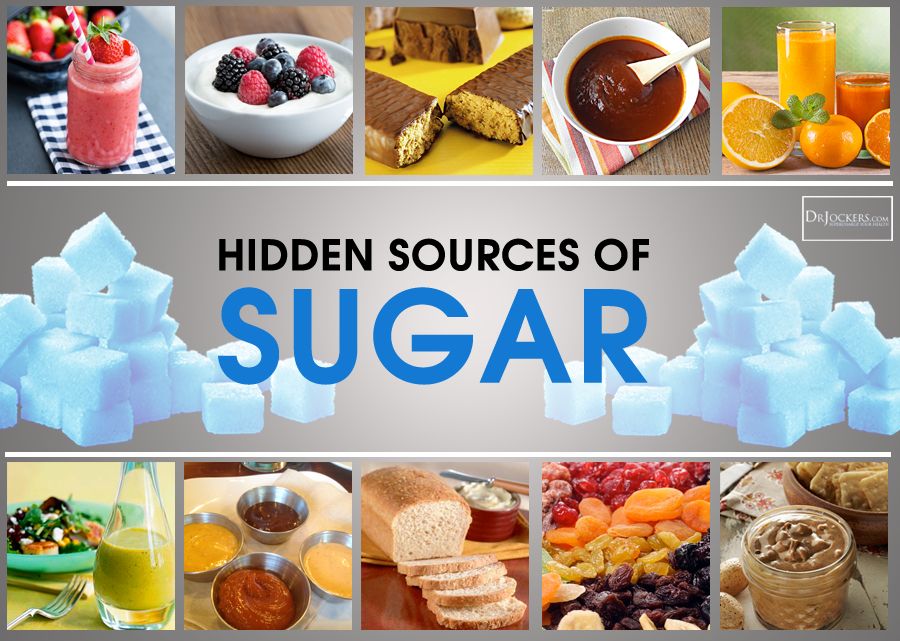
Hidden sources of sugar are one of the biggest reasons people struggle with weight gain, fatigue, hormonal imbalance, and rising blood sugar levels — even when they believe they’re eating healthy.
In 2026, many foods marketed as “natural,” “low-fat,” or “diet-friendly” secretly contain added sugars. The problem isn’t just desserts anymore — it’s everyday packaged food.
Let’s decode the reality.
Why Hidden Sugar Is a Serious Health Concern
According to the World Health Organization, adults should limit added sugar intake to less than 10% of total daily calories — ideally below 5% for better health benefits.
For most adults, that means:
| Daily Calorie Intake | Recommended Sugar Limit |
|---|---|
| 2000 kcal | 25–50 grams |
| 2500 kcal | 30–60 grams |
The scary part? Many people exceed 50g of sugar daily without eating obvious sweets.
You can read the official WHO sugar guidelines here:
https://www.who.int/publications/i/item/9789241549028
1. Flavored Yogurt
Plain yogurt is healthy.
Flavored yogurt? Often a dessert in disguise.
Many fruit yogurts contain:
| Type | Sugar per Serving |
|---|---|
| Strawberry yogurt | 18–22g |
| Mango yogurt | 16–20g |
| Plain yogurt | 4–6g (natural lactose) |
Most of the added sugar comes from syrups and fruit concentrates.
✔ Better option: Buy plain yogurt and add real fruit.
2. Breakfast Cereals
Even “whole grain” cereals can contain high sugar levels.
According to Harvard Medical School, added sugar in breakfast products significantly impacts blood glucose spikes.
| Cereal Type | Avg Sugar per Serving |
|---|---|
| Chocolate cereal | 15–18g |
| Honey cereal | 10–15g |
| Plain oats | 0–1g |
https://www.health.harvard.edu
3. Granola & Protein Bars
Marketed as fitness snacks, many granola bars contain:
- Corn syrup
- Honey syrup
- Brown rice syrup
- Dextrose
Some bars contain 12–20g of sugar, similar to chocolate bars.
This makes them major hidden sources of sugar.
4. Fruit Juice (Even 100%)
One glass of orange juice contains around 20–25g of sugar.
While natural, fruit juice lacks fiber, which can cause rapid sugar absorption.
Whole fruit is always better.
5. Salad Dressings
Low-fat dressings often replace fat with sugar.
Some bottled dressings contain 6–8g of sugar per tablespoon.
Check ingredient labels carefully.
6. Ketchup & Sauces
One tablespoon of ketchup contains around 4g of sugar.
Now imagine adding 3 tablespoons to a meal.
Sugar hides in:
Sweet chili sauces
Pasta sauces
BBQ sauces
7. Packaged Bread
Even “brown” bread may contain added sugar for taste and texture.
Common sugar names on labels:
| Hidden Sugar Name | Meaning |
|---|---|
| Dextrose | Simple sugar |
| Maltose | Malt sugar |
| Invert sugar | Processed sugar |
| High fructose corn syrup | Liquid sugar |
| Cane juice | Sugar |
If sugar appears in the first 3 ingredients, the product is high in sugar.
8. Flavored Coffee & Bottled Tea
A flavored latte may contain 25–35g of sugar.
Bottled iced teas often contain 18–22g per bottle.
These drinks alone can exceed daily limits
9. “Low-Fat” or “Diet” Products
When fat is reduced, companies often increase sugar to maintain taste.
This marketing trick confuses consumers into thinking they are eating healthy.
10. Store-Bought Smoothies
Pre-packaged smoothies often include:
- Fruit concentrates
- Added syrups
- Sweetened yogurt
Sugar can reach 30–40g per bottle.
Quick Summary Table
| Food Category | Hidden Sugar Risk Level |
|---|---|
| Flavored yogurt | High |
| Breakfast cereal | High |
| Granola bars | High |
| Fruit juice | Moderate–High |
| Salad dressings | Moderate |
| Sauces | Moderate |
| Bread | Low–Moderate |
| Cafe drinks | Very High |
How to Reduce Hidden Sources of Sugar
✔ Read nutrition labels
✔ Avoid products with multiple sugar types
✔ Choose whole foods
✔ Cook more at home
✔ Drink water instead of sugary beverages
If you’re wondering whether natural sweeteners are better, read:
👉 Is Jaggery Better Than Sugar? Myth vs Reality (2026 Guide)
You may also like:
👉 How Much Sugar Per Day Is Safe? (WHO Explained)
👉 How Sugar Impacts Your Health in 2026
Final Verdict
Hidden sources of sugar are everywhere in 2026 — not just in desserts, but in foods marketed as healthy.
Awareness is your biggest weapon.
You don’t need to eliminate sugar — but you must recognize it.
The real solution isn’t switching to “natural” sweeteners.
It’s reducing total added sugar consumption.
If you start reading labels today, your health in the next 5 years will look very different.